Understanding LED Downlight Specifications
When specifying LED downlights for commercial projects, understanding the key technical parameters is essential for achieving optimal lighting performance. This comprehensive guide covers everything B2B buyers need to know.
#
Beam Angle Selection
The beam angle determines how light is distributed from the fixture:
Narrow (15-25°): Ideal for accent lighting, highlighting artwork, or creating dramatic focal points in retail displays
Medium (35-45°): Perfect for general ambient lighting in offices, corridors, and hospitality spaces
Wide (60-90°): Best for uniform illumination in open-plan offices, conference rooms, and lobbies
#
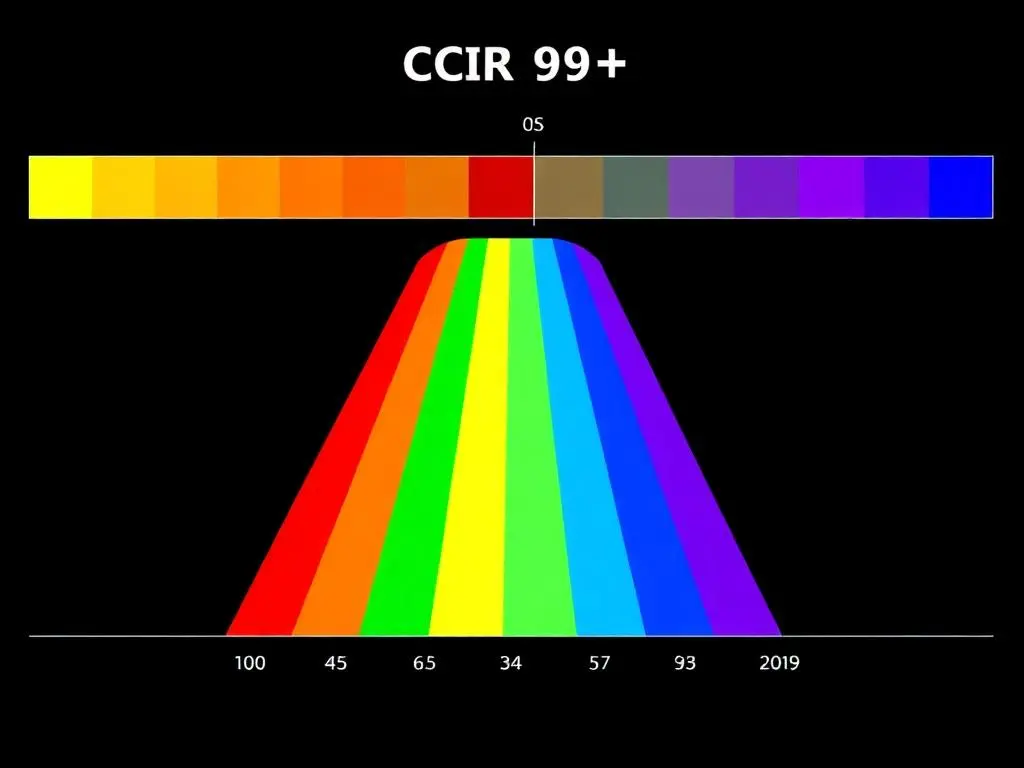
Color Rendering Index (CRI)
CRI measures how accurately a light source reveals colors compared to natural light:
CRI 80+: Acceptable for warehouses and utility areas
CRI 90+: Recommended for retail, hospitality, and healthcare applications
CRI 95+: Essential for galleries, museums, and luxury retail where color accuracy is critical
#
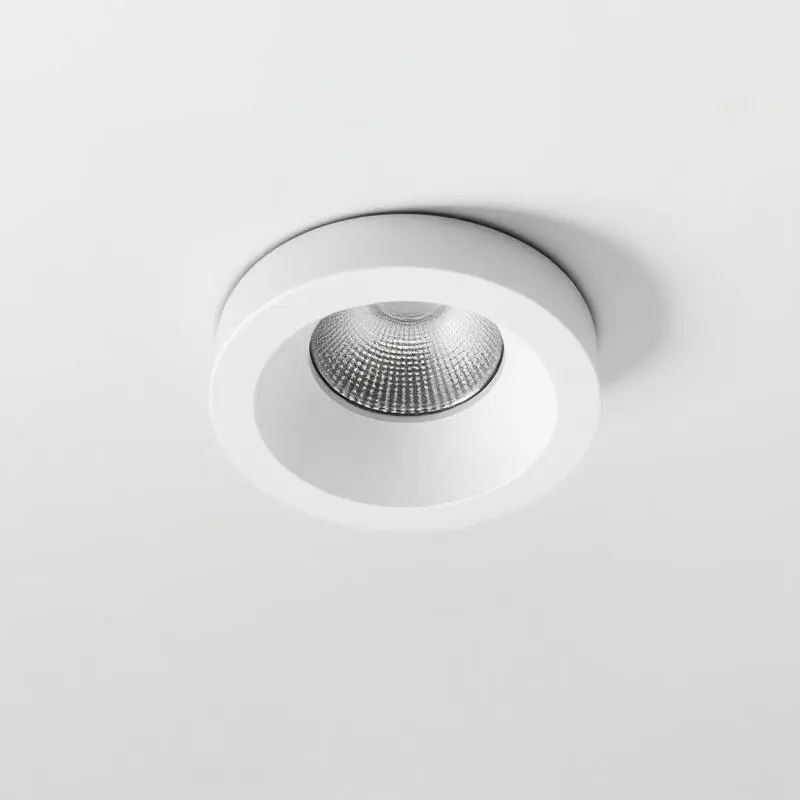
Cutout Size Considerations
Standard cutout sizes range from 55mm to 200mm. When retrofitting existing spaces:
Measure existing ceiling cutouts carefully
Account for ceiling material thicknessConsider
trim ring options for covering larger existing holes
Ensure adequate clearance above the ceiling for the driver
#
Driver Compatibility
Modern LED downlights require compatible drivers for optimal performance:
Constant Current vs Constant Voltage: Most downlights use constant current drivers
Dimmable Options: Ensure compatibility with your dimming system (DALI, 0-10V, Phase-cut)
Emergency Battery Backup: Consider integrated or external emergency drivers for code compliance
#
Practical Application Tips
When planning your downlight layout:
Calculate the appropriate spacing based on ceiling height and beam angle
Consider daylight integration for energy savings
Plan for future flexibility with adjustable or gimbal options
Specify IP ratings appropriate for the installation environment