The Rise of Magnetic Track Lighting
Magnetic track lighting systems have transformed commercial lighting design by offering unprecedented flexibility and aesthetic appeal. Here’s why architects and designers are increasingly specifying these systems.
#
What Makes Magnetic Track Different?
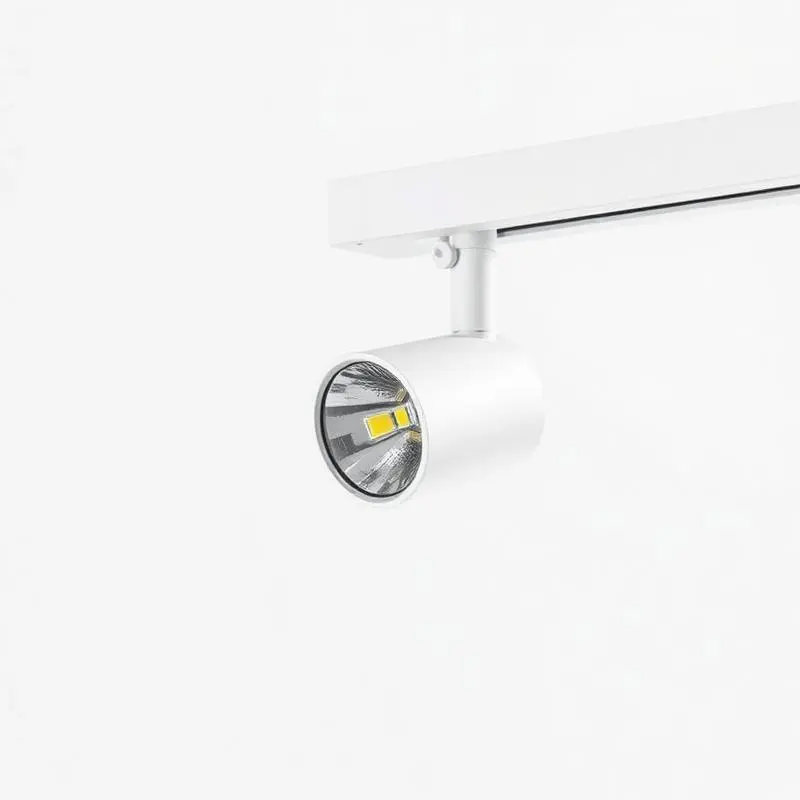
Unlike traditional track lighting that requires mechanical connectors, magnetic track systems use powerful magnets to attach fixtures:
Tool-Free Installation: Fixtures snap into place instantly
Infinite Adjustability: Reposition lights anytime without tools
Clean Aesthetic: Minimal profile with hidden connections
Modular Design: Mix and match fixture types on a single track
#
Key Benefits for Commercial Spaces
##
Retail Applications
Quickly reconfigure displays for seasonal changes
Highlight new merchandise without calling an electrician
Create dynamic lighting scenes that evolve with store layouts
##
Hospitality Settings
Adapt lighting for different events and occasions
Maintain consistent aesthetic across renovation phases
Reduce maintenance costs with easy fixture replacement
##
Office Environments
Support agile workplace configurations
Integrate with architectural features like glass partitions
Provide task and ambient lighting from a single system
#
Technical Considerations
When specifying magnetic track systems:
Power Capacity: Ensure track wattage supports your fixture load
Voltage Options: Choose between 24V DC (safer, lower power) or 48V DC (higher capacity)
Control Integration: Verify compatibility with building management systems
Track Profiles: Select recessed, surface, or suspended mounting based on ceiling type
#
Installation Best Practices
For successful magnetic track installations:
Plan track runs to avoid structural obstacles
Consider power feed locations for even distribution
Allow for expansion with additional power connections
Document fixture positions for maintenance reference